
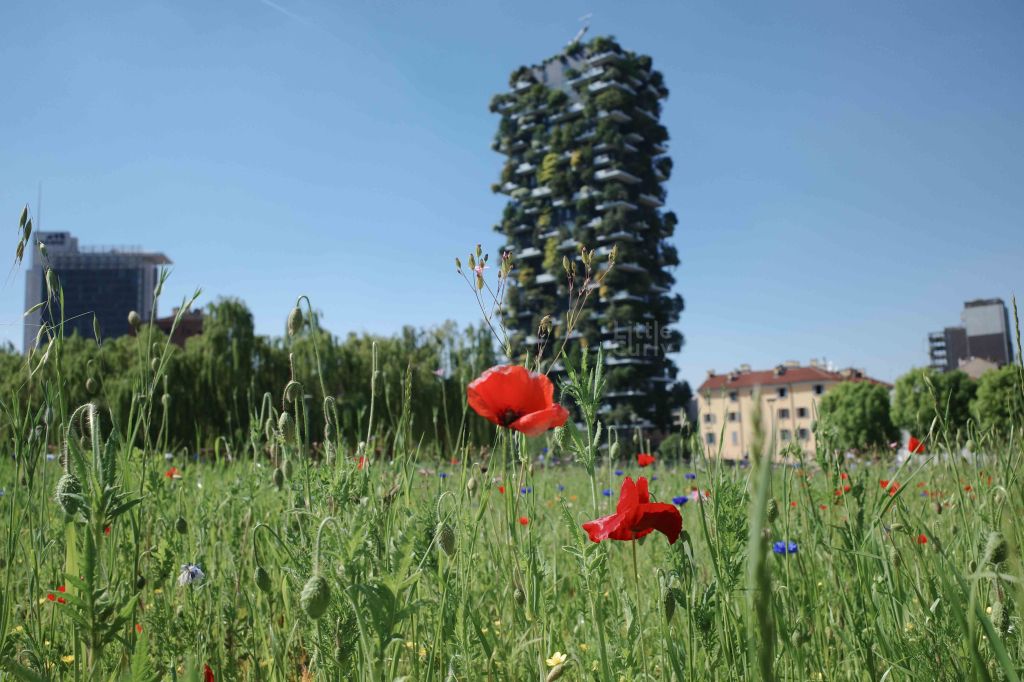
我和義大利大叔男友在米蘭閒聊時,他突然提起一個我從沒聽過的詞:Guerrilla Gardening(游擊園藝)。
這個詞聽起來像是什麼革命行動,事實上也真的帶有那種街頭叛逆的味道。這些所謂的「園藝游擊隊」行動者,會在夜晚或人煙稀少時,偷偷在城市的荒地、空地、甚至光禿禿的行道樹樹穴中播下種子。他們手裡拿的不是噴漆罐,而是胡椒鹽罐那樣的容器,裝著草本植物的種子,像灑香料一樣撒落在混凝土裂縫、圍牆邊角、被遺忘的棕地上。
這些游擊行為看似微小,卻在默默挑戰一個大哉問:「城市應該長成什麼樣子?」
作為一位在米蘭學習景觀建築與景觀遺產碩士的留學生,我對這樣的城市行動特別有感。比起大規模的都市更新計畫,游擊園藝的「低技術、低成本、高創意」策略,像是一場來自市民的柔性抗議,特別針對城市缺乏綠地、忽視生態、空間規劃冷漠等問題,發出微小而強勁的聲音。
這些綠色游擊行動的場域遍佈歐洲與世界各地。舉例來說:
- 1996年,哥本哈根曾有上千名市民,在一夜之間把一塊建築工地變成花園。
- 澳洲墨爾本,有社區將廢棄空地改建成都市菜園,收成的蔬果再分送給周邊有需要的家庭。
- 臺灣也曾響應:2010年台大校園就誕生了「大猩猩綠色游擊隊」,將校園內的邊角地種滿植物。
這些行動常被視為非法但富有詩意的城市干預,它們不只改善了都市空間、提升生物多樣性、製造微氣候,還讓人們重新對「我住的城市是什麼模樣」這件事,產生參與感與歸屬感。
在義大利米蘭這樣一座歷史與設計交錯的城市裡,景觀設計不只是大師操刀的大案子,更可以從市民參與的一盆植物開始。這些看似無政府的行動,其實反映出一種新的都市想像:城市不該只是政府的責任,也是我們每一個人可以親手改變的「共同體」。
—
*也許 Guerrilla Gardening 是都市綠化的另類解方,也是一場城市與公民之間的溫柔革命。如果你對景觀設計、城市空間、歐洲留學、建築實踐有興趣,不妨從這樣的綠色行動開始思考:我們的城市,還有多少空間可以種下種子?
+++
Guerrilla Gardening: A Green Act of Rebellion in the Cities of Italy
While chatting with my Italian boyfriend in Milan the other day, he suddenly mentioned a term I had never heard before: Guerrilla Gardening.
At first, it sounded like some kind of revolution—and in a way, it is. There’s a rebellious, street-style flair to it. These so-called “garden guerrillas" sneak out at night or during quiet hours to scatter seeds in the abandoned cracks of the city—on vacant lots, bare tree pits, even in the forgotten gaps between concrete tiles. Instead of spray paint cans, they carry spice jars filled with herb seeds, tossing them like seasoning into overlooked corners, empty plots, and derelict urban spaces.
These seemingly minor acts of defiance quietly pose a bold question:
What should a city look like?
As a graduate student in landscape architecture and heritage conservation in Milan, I find this kind of urban action particularly resonant. Unlike massive top-down urban renewal projects, guerrilla gardening is low-tech, low-cost, and high-creativity—a subtle protest from the citizens, responding to issues like the lack of green space, ecological neglect, and cold, indifferent planning. It’s a small yet powerful voice in the conversation about our shared environment.
These green guerrilla movements have spread across Europe and the globe:
- In 1996, Copenhagen, over a thousand residents turned a construction site into a blooming garden overnight.
- In Melbourne, Australia, entire communities have transformed abandoned land into urban farms, distributing fresh produce to nearby families in need.
- Even in Taiwan, the concept has taken root. In 2010, National Taiwan University students launched the “Green Gorilla Guerrilla Team” to cultivate neglected corners of the campus with plants and flowers.
Though often technically illegal, these actions are poetic forms of urban intervention. They don’t just improve city spaces, increase biodiversity, or help create microclimates—they also foster a renewed sense of belonging and agency, inviting people to rethink the role they play in shaping the places they call home.
In a city like Milan, where history and design intersect in everyday life, landscape design doesn’t have to begin with famous architects or multimillion-euro budgets. It can start with a single flower pot and a willing citizen. These seemingly anarchic actions reflect a new vision of the urban world: a shared space that belongs not just to governments, but to all of us.
—
Guerrilla gardening may be an unconventional answer to urban greening, but it’s also a gentle revolution between citizens and their cities. If you’re passionate about landscape design, urban space, architecture, or studying abroad in Europe, maybe this is the kind of green activism that can inspire you to ask:
How many seeds can we still plant in our cities?





 米蘭小捲
米蘭小捲 